



27 August 2022
By admin
4 Types of Cardiovascular Diseases Described
Introduction
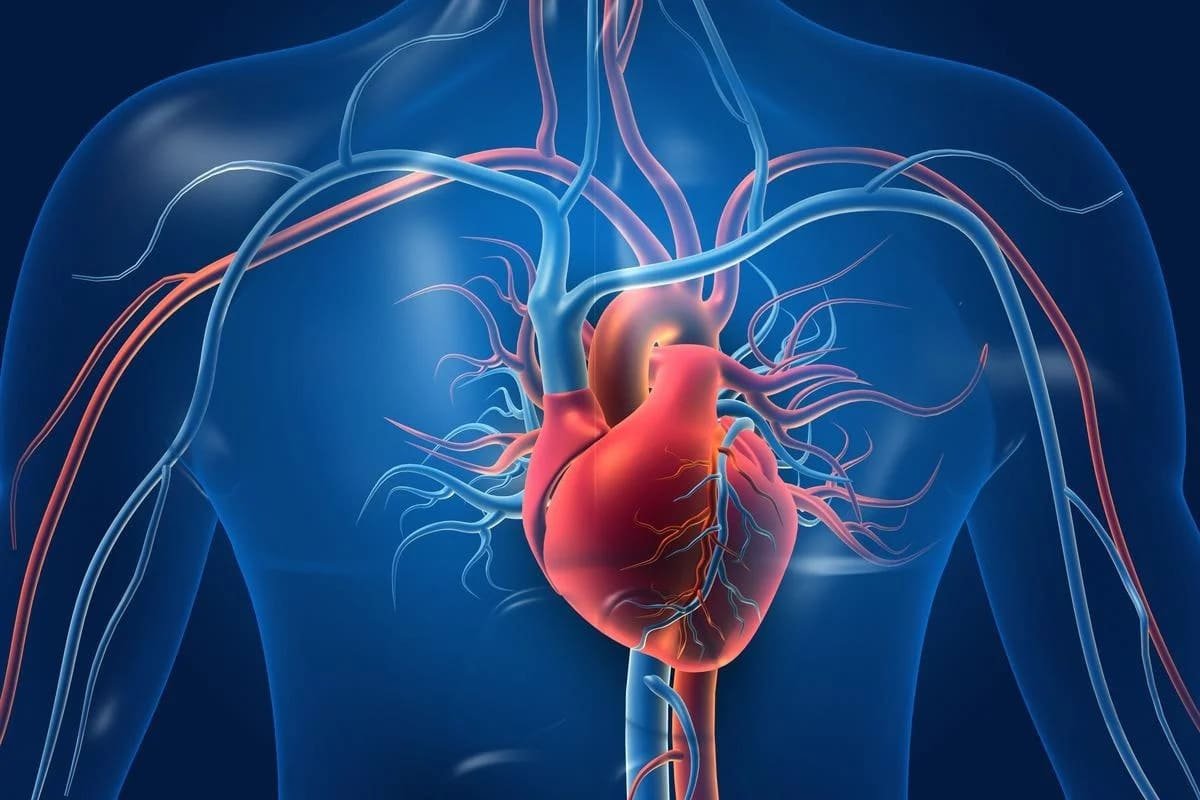
Blood clots, diseased vessels, and structural problems are all part of cardiovascular disease (CVD). Numerous issues can arise from heart and blood vessel disorders, many of which are associated with atherosclerosis. Cardiovascular illnesses can be prevented by addressing behavioral risk factors such as tobacco use, unhealthy eating, obesity, inactivity, and problematic alcohol consumption. Early detection of cardiovascular disease is crucial to start treatment with counseling and medication.
what is heart disease?
Heart disorders of various kinds are referred to as "heart disease." Coronary artery disease (CAD), which affects heart blood flow, is the most prevalent kind of heart disease. A heart attack may be brought on by decreased blood flow. This may result in less blood flowing to your heart muscle, depriving it of the oxygen it requires. Atherosclerosis, often known as the hardening of the arteries, is the condition that typically leads to the disease's onset. It may also be connected to artery damage in several organs, including the kidneys, eyes, heart, brain, and heart.
There are many disease types related to the heart but the following are the most common heart disease.
1 Aortic disease
A set of disorders that affect the aorta are referred to as aortic diseases. This is the body's biggest blood vessel, which transports blood from the heart to the body's other organs. An aortic aneurysm is one of the most common aortic disorders, where the aorta weakens and bulges outward. An abdominal aortic aneurysm is a bulge or swelling in the aorta, the main blood vessel that runs from the heart to the chest and abdomen (AAA).
2 Strokes and TIAs
Similar to a stroke, a transient ischemic attack (also known as a TIA or "mini-stroke") causes a temporary disruption in the blood supply to the brain.
When a portion of the brain's blood supply is cut off, a stroke occurs, which may result in death or severe brain damage. The words FAST can be used to recall the primary signs of a stroke or TIA.
Face: The person's lips or eyes may have dropped, their face may have drooped on one side, or they may not be able to smile.
Arms: Due to arm weakness or numbness in one arm, the person might not be able to lift both arms and maintain them there.
Speech: They can become unable to speak at all, have slurred or garbled speech, or have trouble understanding what you are saying to them.
Time: It’s time to call the doctor right once if you notice any of these symptoms or warning signals.
A stroke patient is more likely to suffer less harm if they receive care quickly.
Strokes have two basic causes:
Ischemic- 85 percent of cases are ischemic, in which the blood supply is interrupted by a blood clot.
Hemorrhagic - in which a brain blood artery that is weak bursts
3 Coronary heart disease
Coronary heart disease occurs when oxygen-rich blood cannot reach the heart muscle.
This causes the heart to work harder and may result in:
Angina- which is chest pain brought on by inadequate blood supply to the heart muscle
heart attack- During a heart attack, the blood supply to the heart muscle is suddenly cut off.
Heart failure- The inability of the heart to efficiently pump blood throughout the body.
Coronary heart disease occurs when fatty substances accumulate in the coronary arteries, preventing or interrupting blood flow to your heart.
Your arteries' walls may eventually develop fatty deposits on them. The fatty deposits are called atheroma, and the process is known as atherosclerosis.
Lifestyle choices like smoking and binge drinking alcohol regularly can lead to atherosclerosis.
4 Peripheral arterial disease
When the arteries leading to the limbs, typically the legs, get blocked, peripheral arterial disease develops.
This may lead to:
Leg discomfort that is dull or cramping, worse with movement, and subsides with rest
hair thinning on the feet and legs
Leg numbness or a weakness
chronic leg and foot ulcers (open sores)
Many PAD sufferers don't reveal any symptoms. When they walk, some people, however, experience a sharp discomfort in their legs that, in most cases, goes away after a short period of rest. "Intermittent claudication" is the medical word for this condition.
The discomfort, which can be slight to severe, typically disappears after a short while when you rest your legs.
Although the discomfort may be worse in one leg, both legs are frequently affected at the same time.
cardiovascular meaning
The circulatory system transports nutrients and oxygen to body tissues while removing waste products like carbon dioxide. Cardiovascular diseases include endocarditis, diseases of the aorta and its branches, problems with the peripheral vascular system, coronary artery disease, heart valve disease, arrhythmia, heart failure, hypertension, orthostatic hypotension, shock, and congenital heart disease. Heart and blood vessel disorders are referred to as cardiovascular illnesses.
heart problem symptoms
Symptoms of heart problem can include:
chest discomfort, tightness, pressure, and pain in the chest (angina)
breathing difficulty
If the blood arteries in your legs or arms are restricted, you may experience pain, numbness, weakness, or coldness there.
Pain in the neck, jaw, throat, upper abdomen, or back
your chest fluttering
rapid heart rate (tachycardia)
sluggish heartbeat (bradycardia)
chest discomfort or agony
breathing difficulty
Lightheadedness
Dizziness
Syncope (fainting) or nearly fainting
Seek emergency medical care if you have these heart problem and symptoms.
heart disease treatments
Depending on the type of heart disease you have, you may receive different kinds of treatments for heart disease. Heart disease treatment typically entails the following:
Lifestyle changes
Medications
Medical procedures or surgery
Control your blood pressure
Check your cholesterol
Keep diabetes under control
Electrocardiogram (ECG or EKG)
Holter monitoring
Cardiac catheterization
cardiovascular diseases list
Heart structures or function can be disrupted by disorders known as cardiovascular diseases, such as:
Arrhythmias, or abnormal heart rhythms
Marfan syndrome and aortic stenosis
a congenital cardiac condition
Cardiovascular disease (narrowing of the arteries)
Pulmonary embolism and deep vein thrombosis
chest pain
heart attack
cardiovascular disease (cardiomyopathy)
Heart valve dysfunction
Cardiopulmonary disease
vascular disease of the periphery
A rheumatic heart condition
Stroke
Vascular sickness (blood vessel disease)
27 August 2022

By admin
What You Need to Know About Diabetes and Vitamin B12
What You Need to Know About Diabetes and Vitamin B12
A healthy neurological system and healthy blood cells require vitamin B-12. Dietary sources of vitamin B-12 are the most effective. This crucial vitamin is included in dairy, meat, fish, and poultry items. You might develop a deficiency if you don't consume enough of these foods.
There are many ways for a deficit to arise. For instance, having type 2 diabetes mellitus increases your risk of developing a B-12 deficit since metformin, a frequent therapy for the condition, may have this side effect. According to a 2009 study, 22% of type 2 diabetics had low B-12 levels. According to the study's findings, metformin may have contributed to the shortage.
Continue reading to find out the signs of B-12 deficiency, how it may affect your general health, and what you can do to treat it.
How a lack of vitamin B-12 feels
At initially, minor vitamin B-12 deficiency symptoms may not always be apparent. If your B-12 levels are slightly low, you might not even notice any symptoms. Some of the more prevalent early signs include:
Tiredness
Weakness
Loss of appetite
Weight loss
Constipation
It might be simple to brush these off as unimportant complaints. However, a lack of B-12 over time might cause more serious issues.
Causes of vitamin B-12 deficiency
The majority of B-12 sources are animal products. Plants do not naturally produce it. As a result, vegetarians and vegans as well as anyone who avoid eating meat or dairy products may be at risk for a B-12 deficit. B-12 may be added to some vegetarian foods, such as breakfast cereals and energy bars. Not everyone gets enough vitamin B-12, though. Additionally, it must be well absorbed by your body.
It may be more difficult for your body to absorb B-12 if you take certain drugs, such as:
Acid reflux and peptic ulcer disease medications, including:
Famotidine (Pepcid AC)
Lansoprazole (Prevacid)
Omeprazole (Prilosec)
Metformin (Glucophage, Glumetza), a common type 2 diabetes treatment
Chloramphenicol, an antibiotic
Lack of intrinsic factor (IF), a protein produced by stomach cells, is another factor contributing to vitamin B-12 insufficiency. Immune system attacks on these stomach cells may result in a reduction in the generation of IF. Dietary vitamin B-12 must be absorbed into the small intestine with IF.
Why having a low B-12 level is serious
Serious problems, such as anaemia, can arise from very low amounts of vitamin B-12. Not having enough healthy red blood cells is known as anaemia (RBCs). Anemia deprives your cells of essential oxygen because red blood cells are required to transport oxygen in the bloodstream.
Less than 20% of research participants with vitamin B-12 insufficiency also had pernicious anaemia, a kind of anaemia unique to those with B-12 deficiencies, according to a 2015 study published in the Journal of Oral Pathology Medicine.
Symptoms of anemia include:
Fatigue
Pale skin
Chest pain
Dizziness
Headache
Losing your sense of taste and smell is another sign of a B-12 shortage. Shortness of breath and an erratic or rapid heartbeat are more severe symptoms.
Peripheral neuropathy, which may present with symptoms such as numbness, weakness, pain, and paresthesia, can also be brought on by a B-12 deficit (a burning or itchy sensation of the skin). Typically, the arms, hands, legs, and feet are where it is felt. Some people report feeling prickly, numb, or tingly. Homocysteine is an amino acid with a substantial correlation to low B-12 levels. Your risk of heart disease and stroke may rise as a result.
A severe, long-term B-12 deficiency can cause:
Loss of mobility
Difficulty walking
Delusions
Depression
Memory loss with dementia
Seizures
It can be difficult to distinguish between B-12 neuropathy and diabetic neuropathy.
Neuropathy, commonly known as nerve damage, is one of the possible side effects of diabetes mellitus. It is brought on by the long-term negative effects of elevated blood glucose.
The symptoms of peripheral neuropathy, which frequently affects the arms, hands, legs, and feet, are the most typical signs of diabetic neuropathy. The GI tract is one of the additional body areas that diabetic neuropathy can impact. Neuropathy can occur without having diabetes.
A sustained B-12 shortage can potentially harm your nervous system. It is important to pay attention to neuropathy symptoms whether you have diabetes or not.
How a low B-12 is diagnosed
Consult your doctor straight away if you experience symptoms of a B-12 deficiency. Some of the symptoms, particularly in the beginning, can be hazy. They may also result from a number of other factors. If low B-12 levels are the issue, a quick blood test might reveal this. Your doctor will want to do a thorough history and physical examination if you have diabetes and/or a B-12 deficit in order to completely evaluate you. Regarding diabetic mellitus, your blood glucose levels will also be taken into consideration. Age-specific recommendations for B-12 trusted source levels exist. The average adult and teen requires 2.4 micrograms (mcg) per day. Depending on their age, children need between 0.4 and 1.8 mcg per day.
What to do if you show signs of a low B-12
You may be able to manage your B-12 absorption by maintaining healthy blood sugar levels. Along with diet, consistent exercise and enough sleep are frequently beneficial. Your doctor may recommend a treatment plan that is specific to your needs. You can receive advice to consume more B-12 in your diet.
An excellent source of vitamin B-12 is:
Red meat
Fish
Poultry
Eggs
Dairy products
Clams
Beef liver
The following foods may be fortified with B-12:
Nutritional yeast, which are cheesy-tasting vegetarian flakes
Cereal
Bread
Tofu
Make sure you thoroughly read nutrition labels.
Additionally, particularly if you follow a vegetarian or vegan diet, your doctor could suggest that you take oral vitamin B-12 supplements. If your deficiency is severe, they can administer B-12 injections to you.
To prevent major B-12 deficient consequences, take your doctor's advice. To be sure you're on the right path, arrange for follow-up testing as well.